Video game adaptations have long been a topic of debate among gamers, filmmakers, and critics. While the gaming medium has produced some of the most captivating narratives and characters, translating that essence into film has proven to be a daunting task. The recent release of the “Uncharted” movie, based on the critically acclaimed video game series, serves as a poignant case study in this ongoing evolution. This article delves into the history of video game adaptations, the significance of the Uncharted movie poster, and how both reflect broader trends in the relationship between gaming and cinema.
The Historical Context of Video Game Adaptations

The journey of video game adaptations in cinema has been tumultuous, marked by both successes and failures. Here’s a brief overview of how this genre has evolved:
- Early Attempts (1990s-2000s): The first adaptations, such as “Super Mario Bros.” (1993) and “Street Fighter” (1994), were often criticized for their lack of fidelity to the source material and poor production quality.
- Rise of Popularity (2010s): With the success of films like “Resident Evil” and “Tomb Raider,” studios began to recognize the potential of gaming franchises as lucrative properties.
- Increased Quality (Late 2010s-Present): Recent adaptations, such as “Detective Pikachu” and “Mortal Kombat,” have started to embrace the source material more faithfully, reflecting a shift in approach.
Despite this evolution, many adaptations still struggle to fully capture the essence of their original games, leading to mixed receptions from fans and critics alike.
Uncharted: A New Chapter in Adaptations
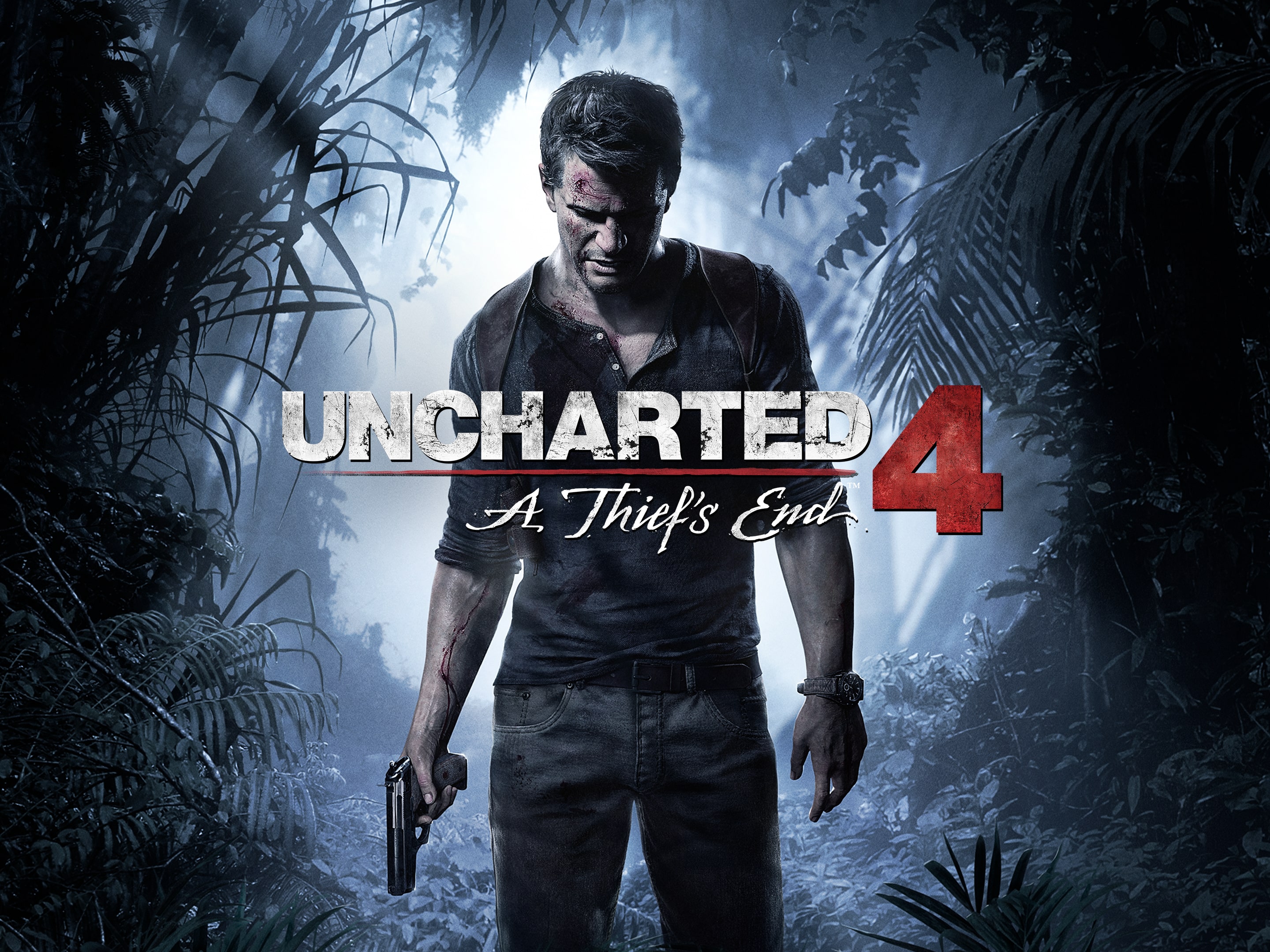
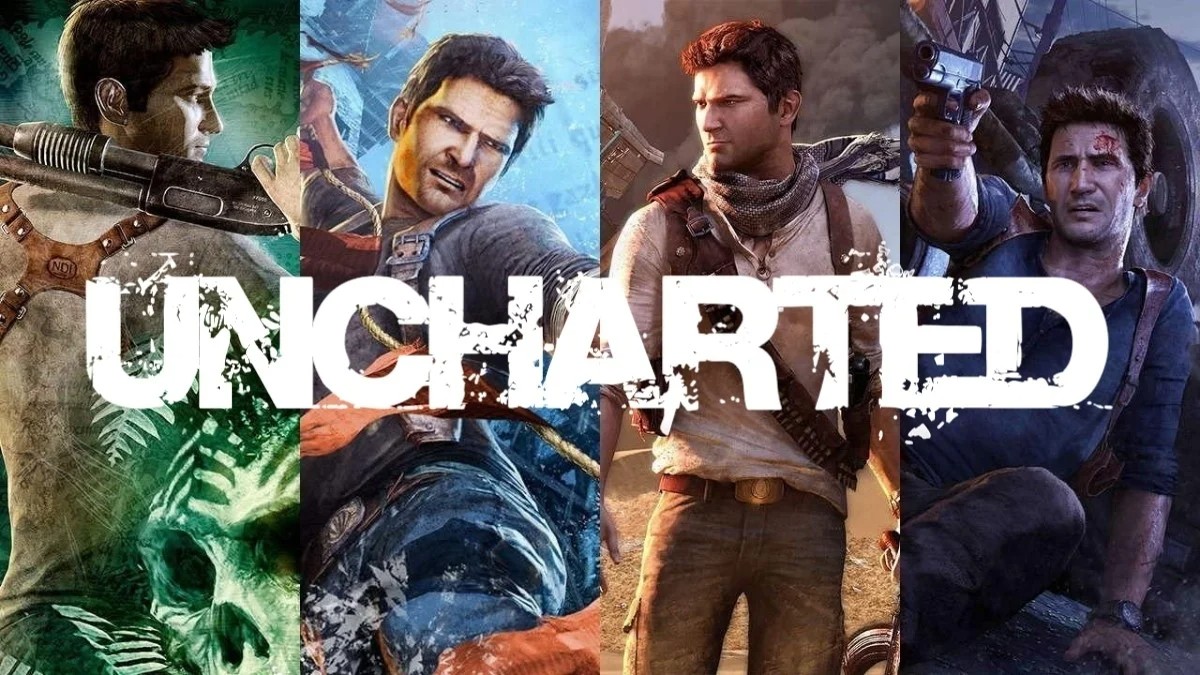
The “Uncharted” series, developed by Naughty Dog, has been heralded for its cinematic storytelling, rich characters, and breathtaking visuals. The journey to adapt this beloved franchise into a film began over a decade ago, with various directors and lead actors attached to the project over the years. The final product, released in February 2022, stars Tom Holland as Nathan Drake and Mark Wahlberg as Victor “Sully” Sullivan.
The Significance of the Movie Poster

Movie posters serve as a crucial marketing tool, establishing the visual identity of the film and generating excitement among potential viewers. The “Uncharted” movie poster is particularly noteworthy for several reasons:
- Visual Representation: The poster features dynamic imagery showcasing the film’s adventurous spirit, with Nathan Drake scaling a precarious cliffside while clutching a treasure chest, evoking the essence of exploration and danger that the games are known for.
- Character Design: Tom Holland’s portrayal of Nathan Drake in the poster is a blend of youthful charisma and rugged determination, aligning with the character’s evolution throughout the game series.
- Color Palette: The use of warm colors in the poster suggests adventure and excitement, while the contrasting dark tones hint at the film’s underlying conflicts.
In essence, the poster encapsulates the film’s essence and sets the stage for the narrative, representing a significant step forward in video game adaptations.
Comparative Analysis: Video Game Adaptations Through the Lens of Uncharted
To further understand the evolution of video game adaptations, it is essential to compare the “Uncharted” film to earlier attempts in the genre. Here are some notable aspects:
Faithfulness to Source Material
Historically, many adaptations have strayed from their source material, leading to disappointed fans. However, “Uncharted” takes a different approach:
- Character Fidelity: While the film does not replicate the games’ plotline verbatim, it stays true to the characters’ core traits and relationships.
- Incorporation of Iconic Elements: The film integrates iconic set pieces and action sequences reminiscent of the games, such as high-stakes chases and treasure hunting.
Production Quality

Advancements in technology and filmmaking techniques have significantly improved the quality of adaptations:
- Visual Effects: The high-quality CGI and practical effects in “Uncharted” elevate the action sequences, making them more immersive.
- Direction and Cinematography: Directed by Ruben Fleischer, the film employs dynamic camera movements and angles that bring the game’s action to life.
Case Studies: Successful and Unsuccessful Adaptations
Examining both successful and unsuccessful adaptations can provide insights into what works and what doesn’t. Here are a few examples:
Successful Adaptations
- Detective Pikachu (2019): Combining nostalgia with innovative storytelling, this film successfully captured the essence of Pokémon while introducing new characters and plotlines.
- Arcane (2021): Though not a movie, this animated series based on League of Legends has received critical acclaim for its storytelling and character development, demonstrating that video game adaptations can thrive in various formats.
Unsuccessful Adaptations

- Super Mario Bros. (1993): Widely regarded as a failure, this film deviated significantly from the source material, leading to a lack of connection with fans.
- Assassin’s Creed (2016): Despite a strong cast, this adaptation struggled with a convoluted plot that failed to resonate with audiences.
The Future of Video Game Adaptations
The ongoing evolution of video game adaptations is promising, with several projects in the pipeline that aim to learn from past mistakes. Some trends to watch include:
- Increased Collaboration: Collaborations between game developers and filmmakers are becoming more common, leading to adaptations that respect the source material.
- Diverse Formats: The success of series like “Arcane” suggests that adaptations may increasingly explore TV formats, allowing for deeper storytelling.
- Expanded Universes: As seen with franchises like Marvel, there is potential for video game adaptations to explore interconnected universes, creating richer narratives.
The evolution of video game adaptations has been a journey marked by both triumph and tribulation. The “Uncharted” movie represents a significant step forward, both in its marketing through its compelling poster and its adherence to the essence of the beloved game series. As the industry continues to learn from past missteps, the future of video game adaptations appears bright, with the potential for innovation, creativity, and fidelity to source material. By embracing the strengths of gaming narratives, filmmakers can create films that resonate not only with gamers but also with a broader audience, paving the way for a new era in cinema.