The blue appearance of snow can be largely attributed to the interaction between light and the ice within snowflakes. Ice crystals can absorb light in the redder wavelengths of the spectrum effectively, allowing more blue light to be scattered and reflected.. It is a common misconception that the blue color exhibited by glaciers, old sea ice, or even holes poked into a snow bank is due to the same phenomenon that makes the sky blue–light scattering. But nature has more than one recipe for producing the color blue. In frozen water and in the sky the processes are almost the reverse of each other.
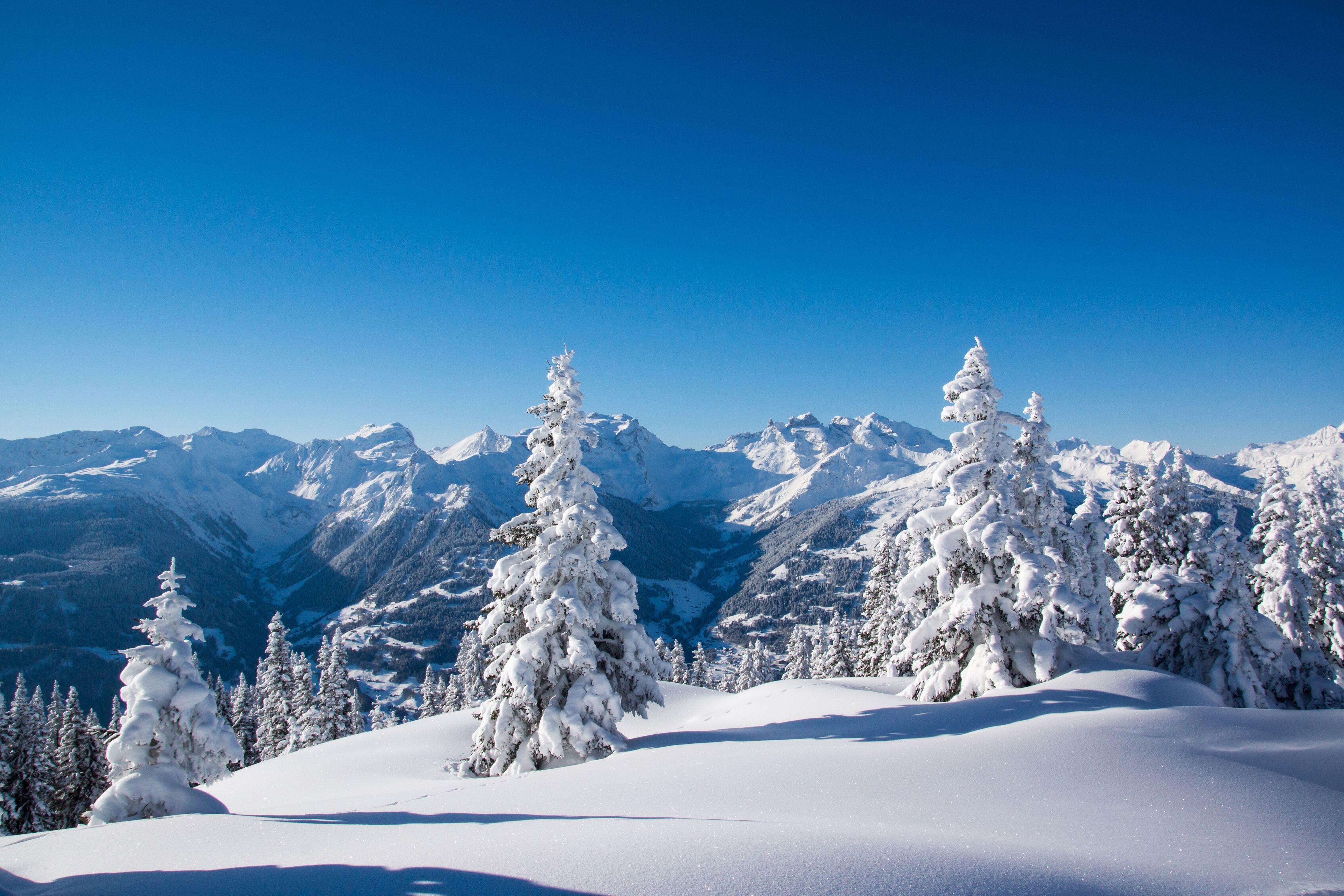
Snow 4K Wallpapers Top Free Snow 4K Backgrounds WallpaperAccess
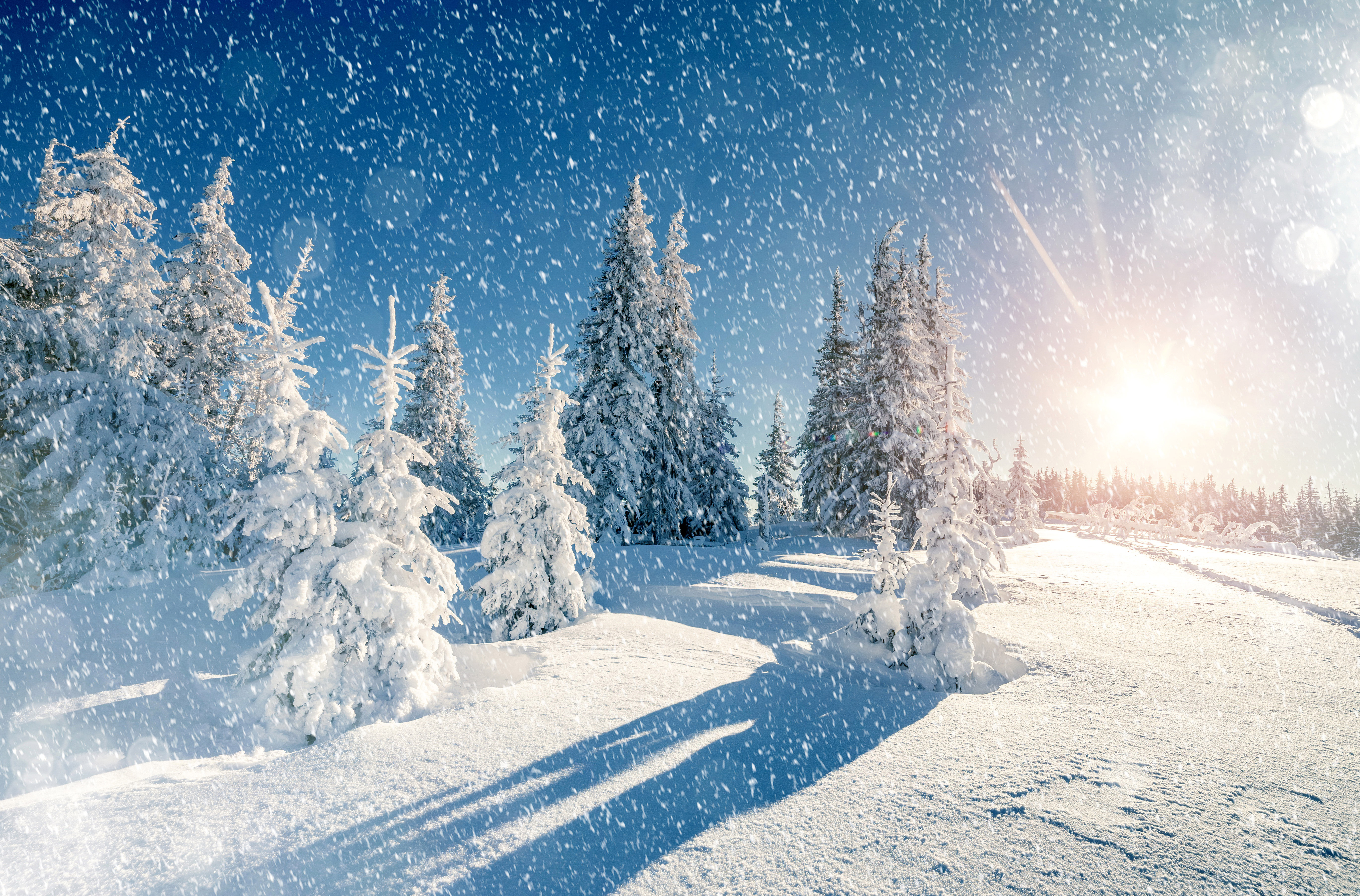
Winter Season Wallpaper

Snowy Forest
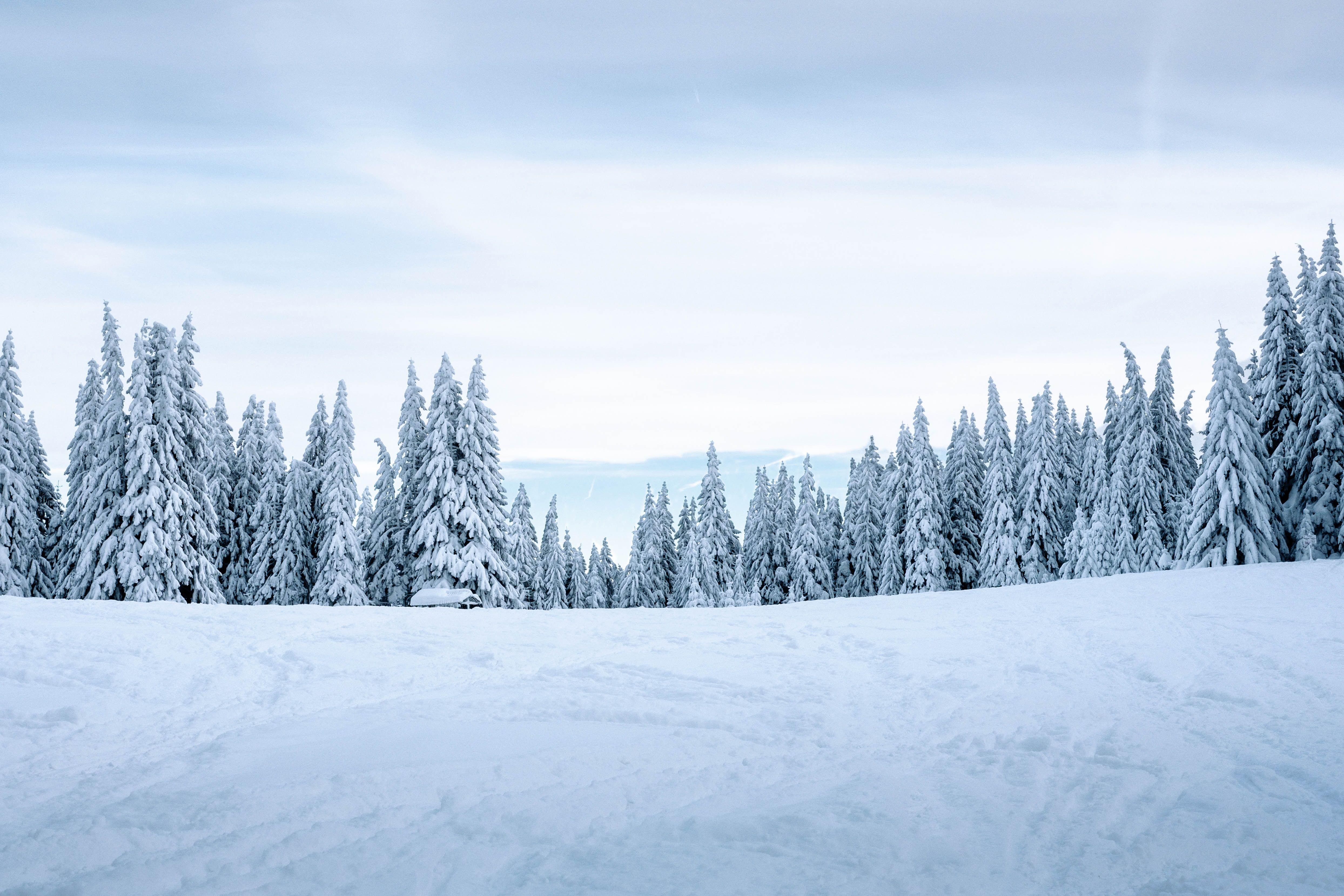
Winter Snow Landscape Wallpapers Top Free Winter Snow Landscape

Snow Covered Road Beautiful Winter Scenes
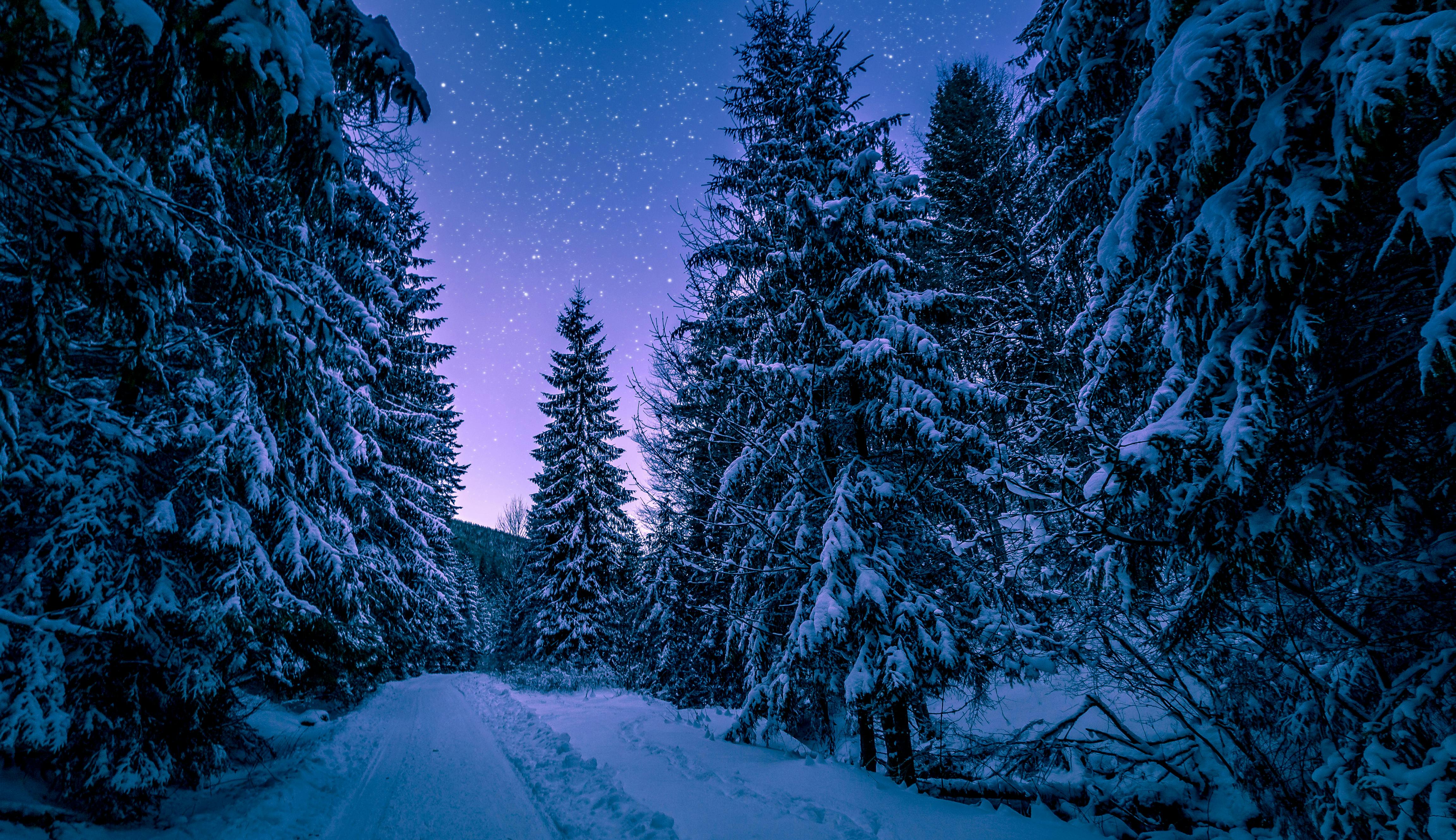
Winter pictures · Pexels · Free Stock Photos
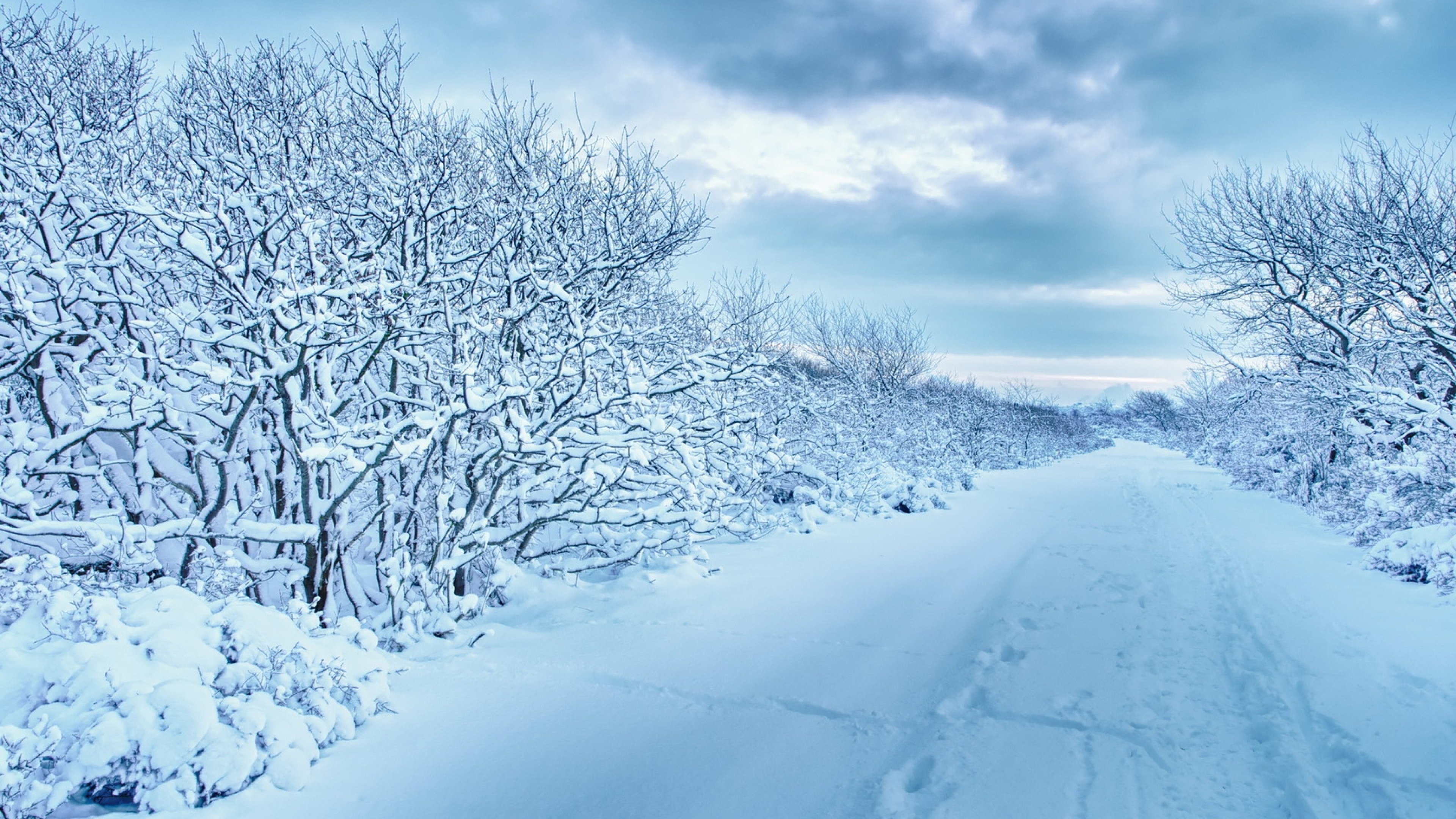
4K Snow Wallpaper WallpaperSafari
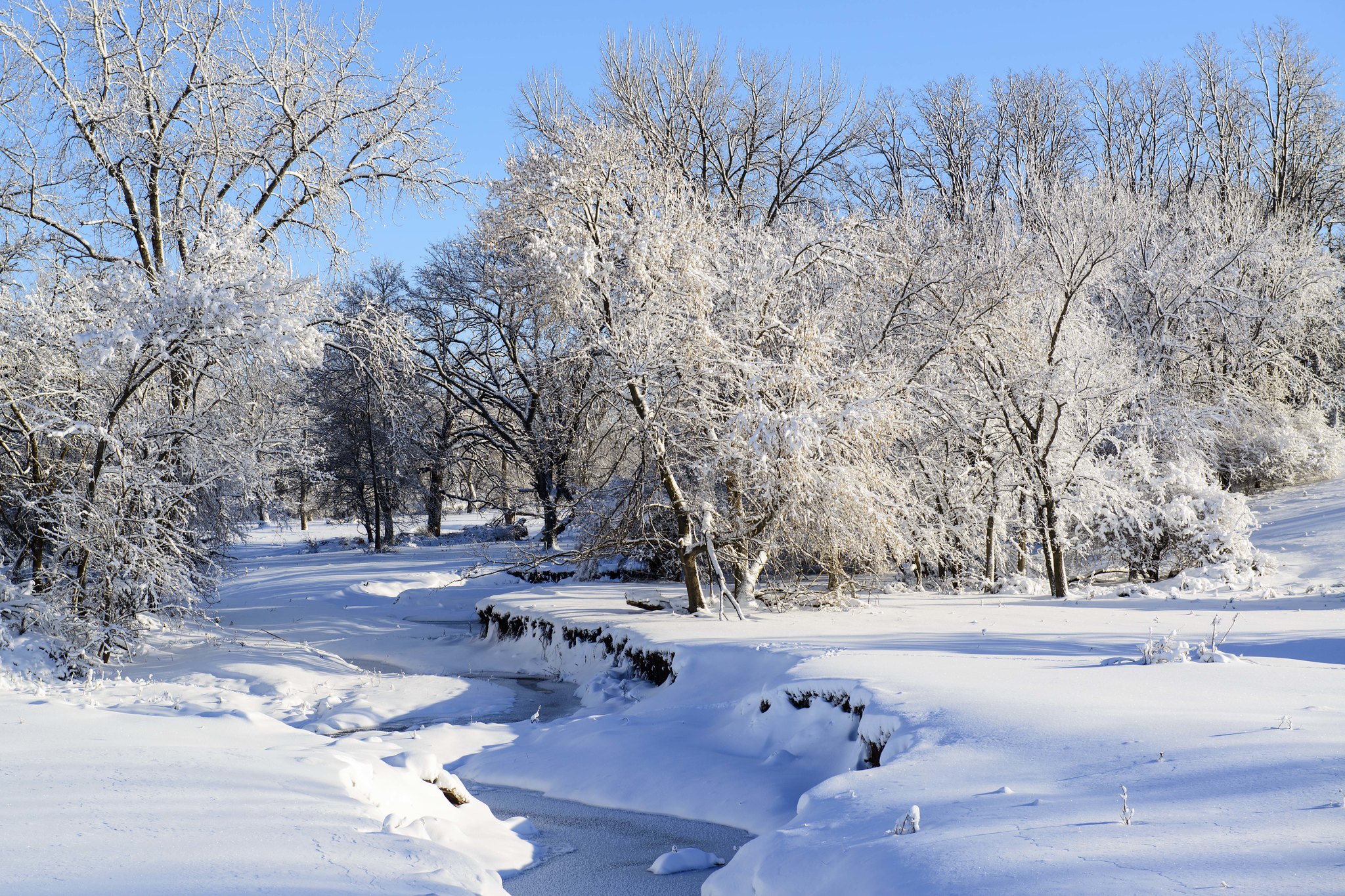
Science of Snow National Snow and Ice Data Center
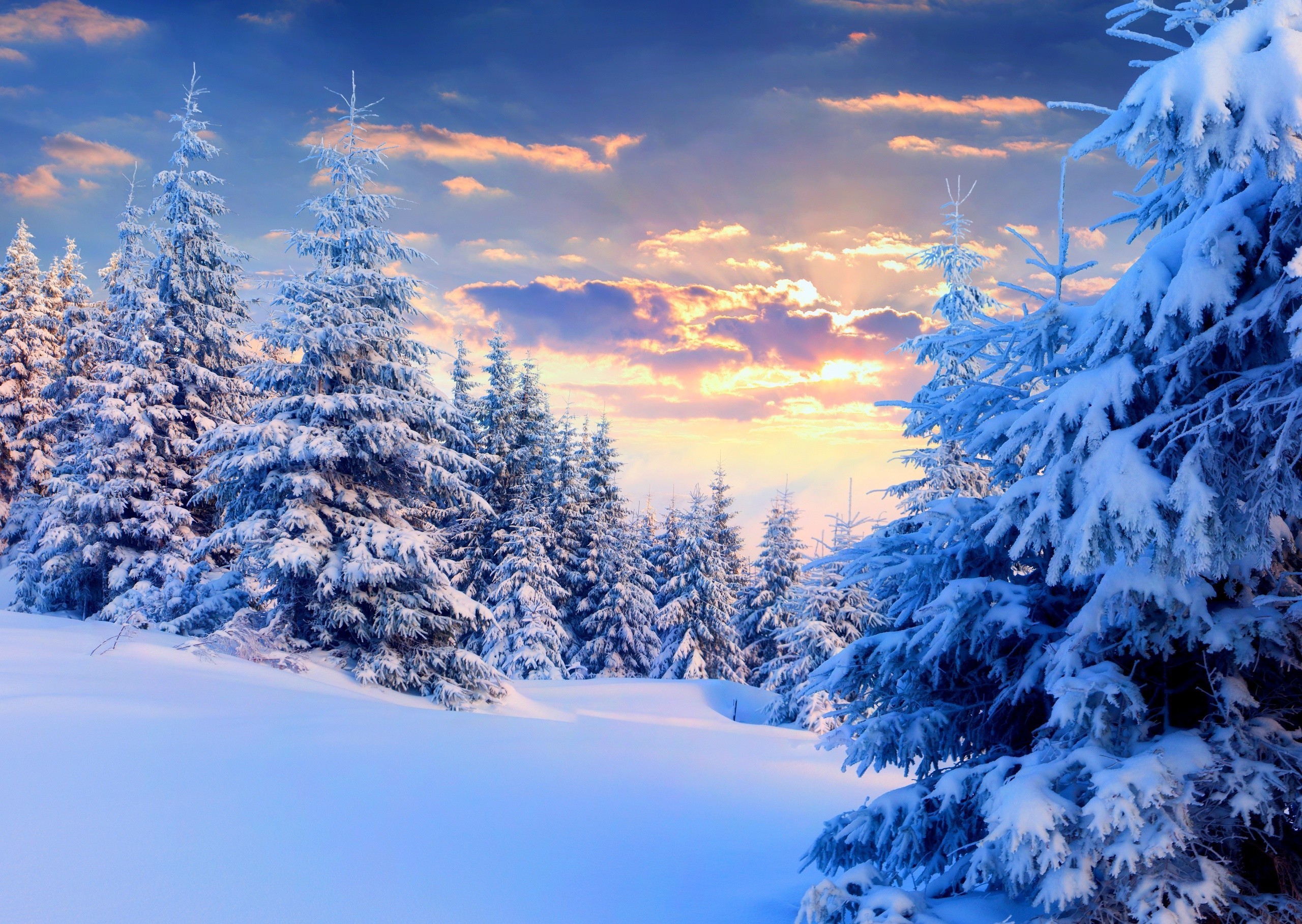
Dusk Snow Scenery

First Snow Storm of the Season (photos) The Manchester Mirror
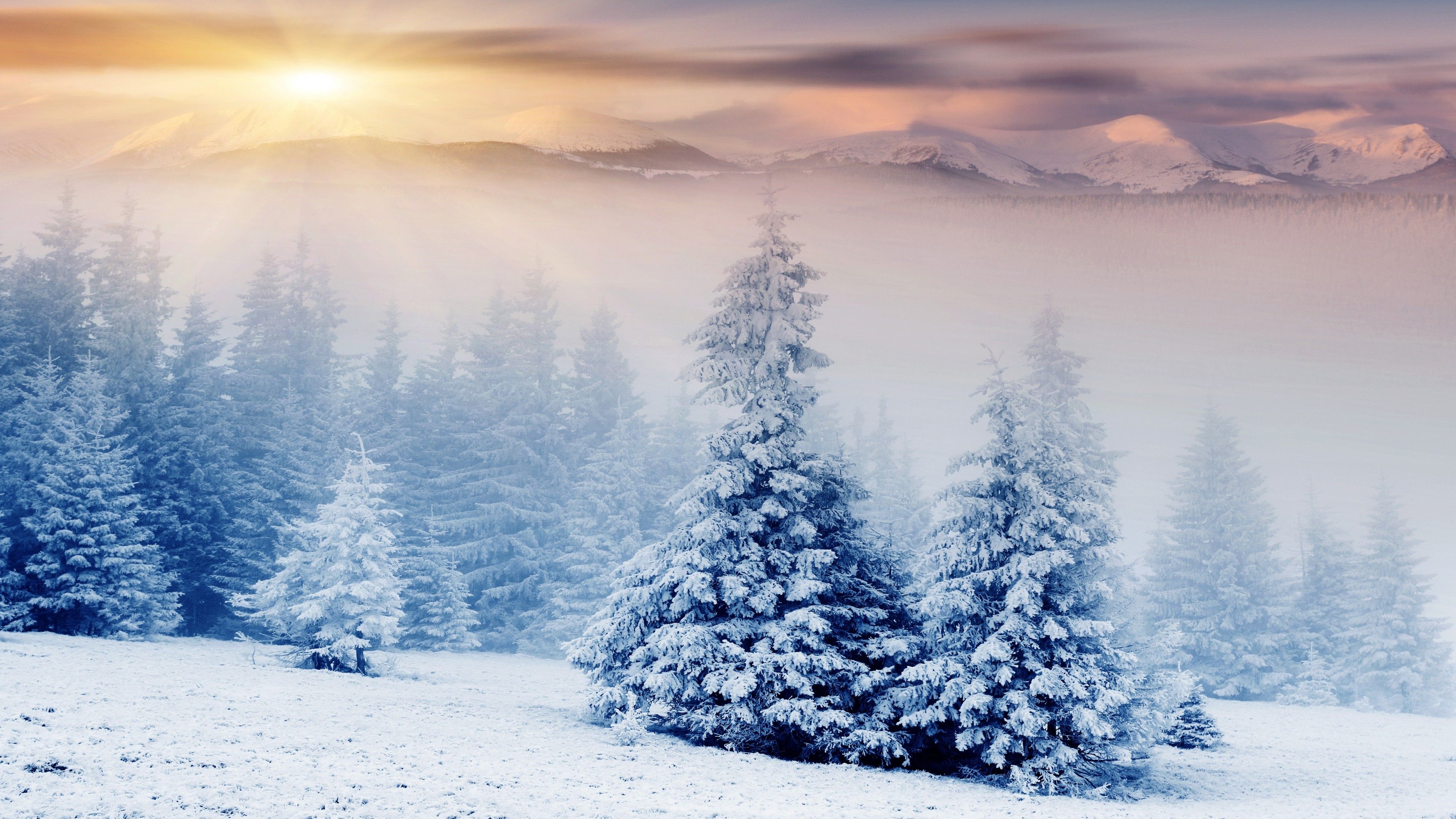
Snow On Trees Wallpapers Wallpaper Cave
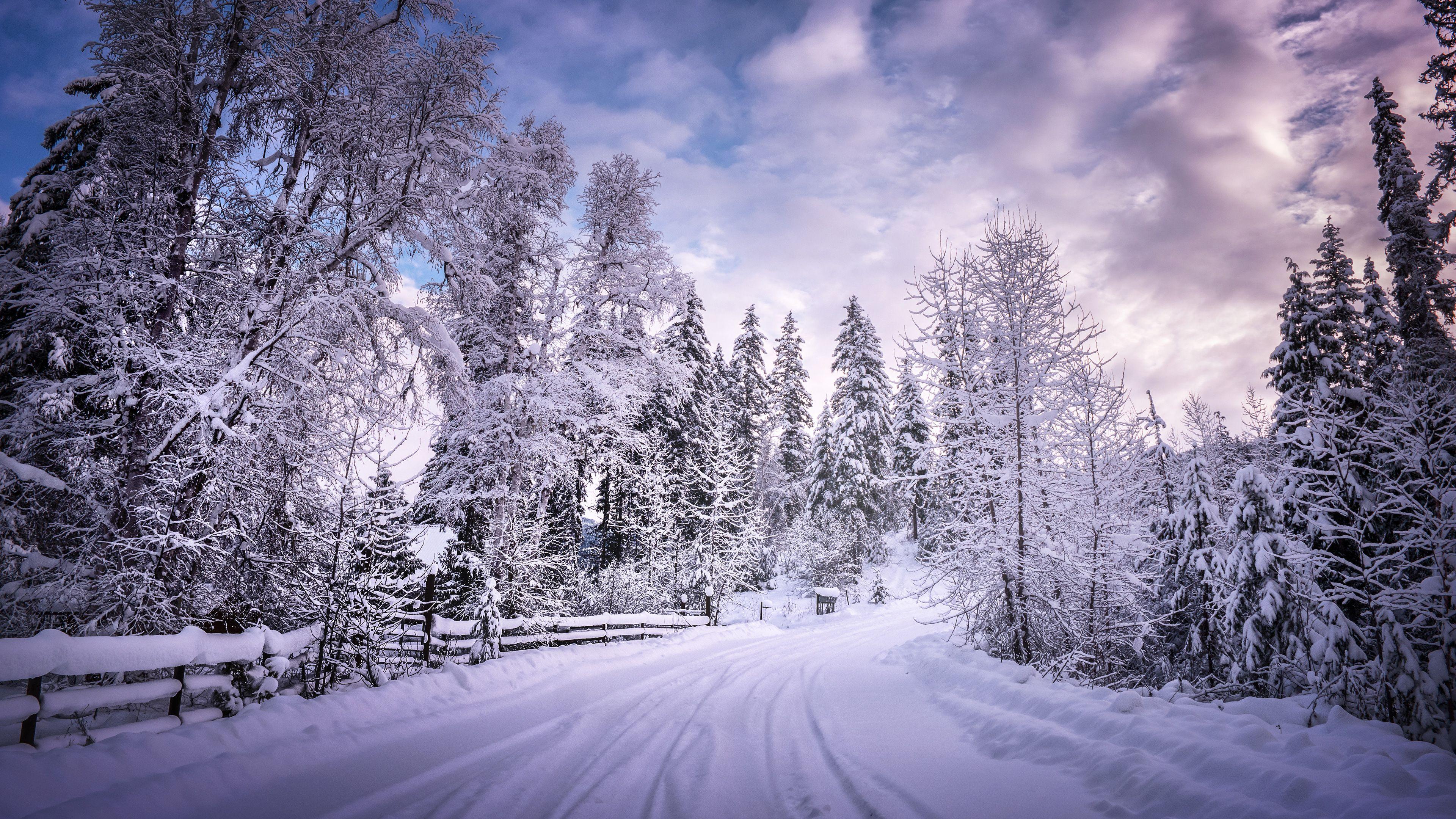
Snow Trees Wallpapers Top Free Snow Trees Backgrounds WallpaperAccess
What is a Blue Snow? Unveiling Nature’s Icy Enigma Blue snow is a phenomenon where frozen precipitation appears distinctly blue due to specific light scattering and absorption properties within the ice crystals. It is a relatively rare occurrence linked to unusual atmospheric conditions and can be an indicator of specific environmental processes.. Majestic glaciers and thick snow banks act like filters that absorb red light, making a crevasse or deep hole appear blue. What causes the blue color that sometimes appears in snow and ice? As with water, this color is caused by the absorption of both red and yellow light (leaving light at the blue end of the visible light spectrum).